In other words, if you have developed alcohol tolerance, you have to drink increasingly greater amounts of alcohol to feel the same effects you used to feel with fewer drinks. The rapid elimination of alcohol from the system due to the presence of certain liver enzymes is called metabolic tolerance. The enzyme reduces the time in which alcohol effects are felt; this means that alcohol intoxication is greatly reduced in the individual. Drinking behavior that causes the person to exceed the 0.05% BAC threshold can increase the chances of binge drinking and developing alcohol dependence. Individuals from families with a history of alcoholism or alcohol abuse may be more likely to have higher alcohol tolerance due to early exposure to alcohol and the development of drinking habits that lead to higher tolerance. Epigenetic nuclear mechanisms also have been implicated recently in the development of alcohol tolerance, using a fruit fly homolog of the BK channel (Slowpoke, Slo) as a model (Wang et al. 2007).
Can you build a tolerance to alcohol?
When you find it, try to avoid it and choose the drink that affects you less. Also, don’t go for sugary or high ABV drinks unless you are confident enough to drink them with control. This means you need to understand the difference between the strength and alcoholic measurement of the drink you choose.
Some People Are Better At Handling Alcohol
In this article, we’ll explain how you can safely improve your tolerance with expert advice from doctors, psychologists, and dieticians. Fortunately, there are a number of treatment programs, methods, and services available today to treat alcohol use disorders (AUD). However, if you are looking simply to reduce intake and do not suspect you have an AUD, it is safe to reduce alcohol tolerance by cutting back intake in measured steps. This means that, even with the same level of alcohol consumed during any drinking session, the BAC of a woman will be higher than that of a man. Currently, the only ethnicity found to have higher rates of acute tolerance, alcohol insensitivity, and general intolerance are demographics that come from East Asia.
- A period of heavy drinking may cause your brain to respond by producing fewer inhibitory chemicals and more excitatory chemicals.
- However, men have a substantially higher level of this chemical — alongside aldehyde dehydrogenase, another enzyme — which helps them to process alcohol faster.
- In this scenario you may need to drink five pints to get the same initial “buzz” you got from four pints.
- If alcohol is not available, you would endure the party with a great deal of discomfort or distress.
Tips to change your relationship with alcohol
This type of intoxication may prompt the individual to drink more as the effects of alcohol become less noticeable. There are well-established differences between men and women when it comes to alcohol abuse. Women are generally more sensitive to alcohol and are more likely to develop alcohol-related issues at lower levels of consumption.
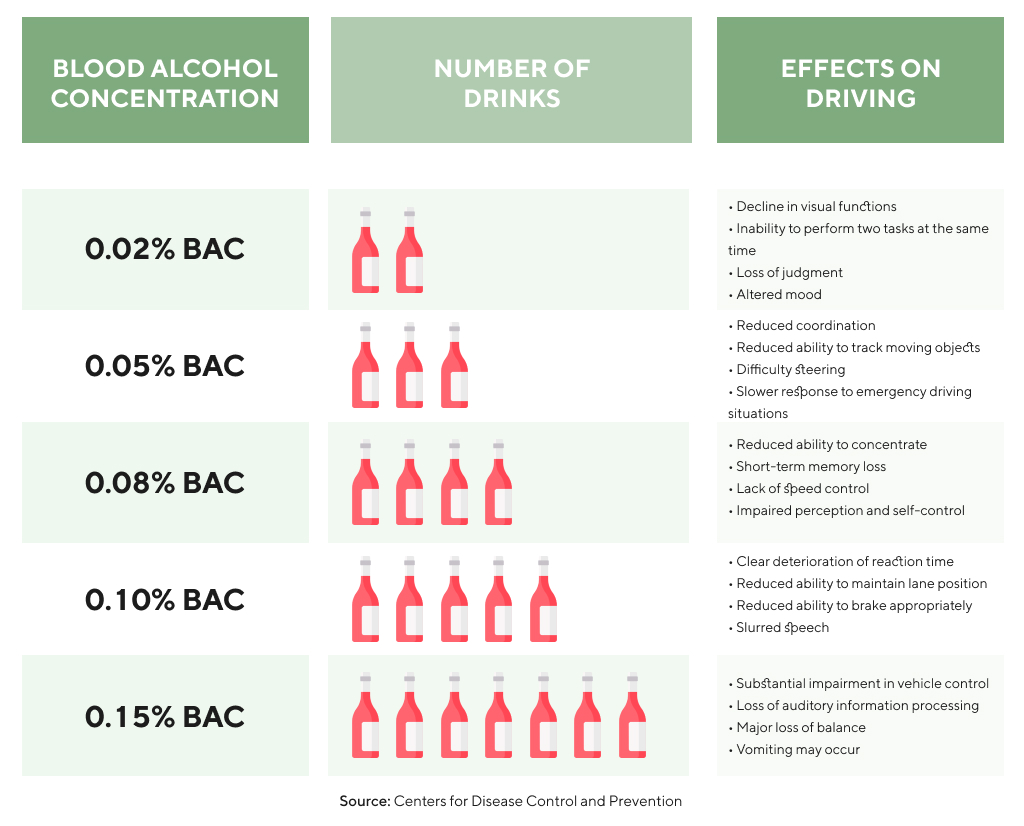
But if you don’t use this time off wisely, going back to drinking can be dangerous. One major risk is trying to drink the same amount you used to before your break. Since your body isn’t used to alcohol anymore, this could make you very sick or even cause a fatal overdose. In fact, people with a family history of alcohol dependence are four times more likely to develop a dependency themselves, Damask said. Every person can raise their alcohol tolerance until it reaches a trigger point where he or she needs alcohol to feel normal. For individuals with a family history of alcoholism, this trigger point could be lower than others.
- The effects of drinking on the brain may alter the functions of neurotransmitters.
- Alcohol is absorbed more slowly in people with larger frames, and their higher water-to-fat ratio means that alcohol is diluted more in their bodies.
- Thus, in response, it drastically increases the surface area of cells’ SER (over a period of just a few days).
- Further studies determining the role of auxiliary proteins in other types of tolerance are warranted.
- This can lead to too much drinking, too fast, and serious black-out experiences.
For example, if the driver encountered unexpected situations, a detour, or a change in driving conditions, he could lose any previously acquired tolerance to alcohol’s impairment of his driving skills. Repeatedly driving the same route home while intoxicated could cause the driver to develop a tolerance for the task and reduce alcohol-induced impairment. However, that tolerance for that specific task is not transferable to a new task. Genetic differences do account for some differences in alcohol tolerance, which in some cases fall along ethnic lines.
How to Drink Safely and Responsibly
Also, too much alcohol dependency drug addiction might affect your stomach and other body parts. When you party and drink a lot, you must not consume too much alcohol regularly. This is why strengthening alcohol tolerance is important for some people, as this helps them handle alcohol much better. If you are looking for some advice on how to do this, don’t worry as we have got you covered. These methods are easy to apply, so anyone can follow them and enjoy their favorite drink to their heart’s content.
This way, you will build alcohol tolerance build up alcohol tolerance and enjoy your drinks without a worry. A lot of people are understandably concerned about their alcohol tolerance, as losing control of your actions and behaviors due to drinking can lead to undesirable results. Nonetheless, the recommended alcohol unit for men and women is 3-5 units and 2-3 units, respectively. This equates to 2 bottles of beer with a 4.5 percent of ABV rating for men.
Tips to Lower Tolerance and Prevent Abuse

Historically, many studies of tolerance focused on physiological processes and measures that at least superficially have apparently little relevance to the development https://www.varshamorarka.com/?p=15403 of addiction or AUD (e.g., locomotor activity and body temperature). Moreover, tolerance appears to be necessary but not sufficient for the development of more debilitating AUD symptoms that have received greater attention and research focus, such as withdrawal, craving, relapse, or the escalation of drinking. Following this logic, the engagement of negative reinforcement processes would be considered more of an “active” process that drives excessive drinking, whereas tolerance is considered more “passive” and simply permissive in the process by comparison. Nevertheless, there is a burgeoning reawakening of the link between neuroadaptations that are involved in driving the “dark side” of addiction and tolerance that deserve attention (Pietrzykowski et al., 2008; Koob, 2020; Koob, 2021).
Site footer content
When you drink a lot on a regular basis, the liver registers that it needs to process more than its usual quota of alcohol. Thus, in response, it drastically increases the surface area of cells’ SER (over a period of just a few days). This is because familiar “cues” – such as your home setting – are repeatedly paired with alcohol’s effects.
John C. Umhau, MD, MPH, CPE is board-certified in addiction medicine and preventative medicine. For over 20 years Dr. Umhau was a senior clinical investigator at the National Institute on Alcohol Abuse and Alcoholism of the National Institutes of Health (NIH). Founded in 2014, Addiction Resource provides free support and guidance for addiction recovery.